
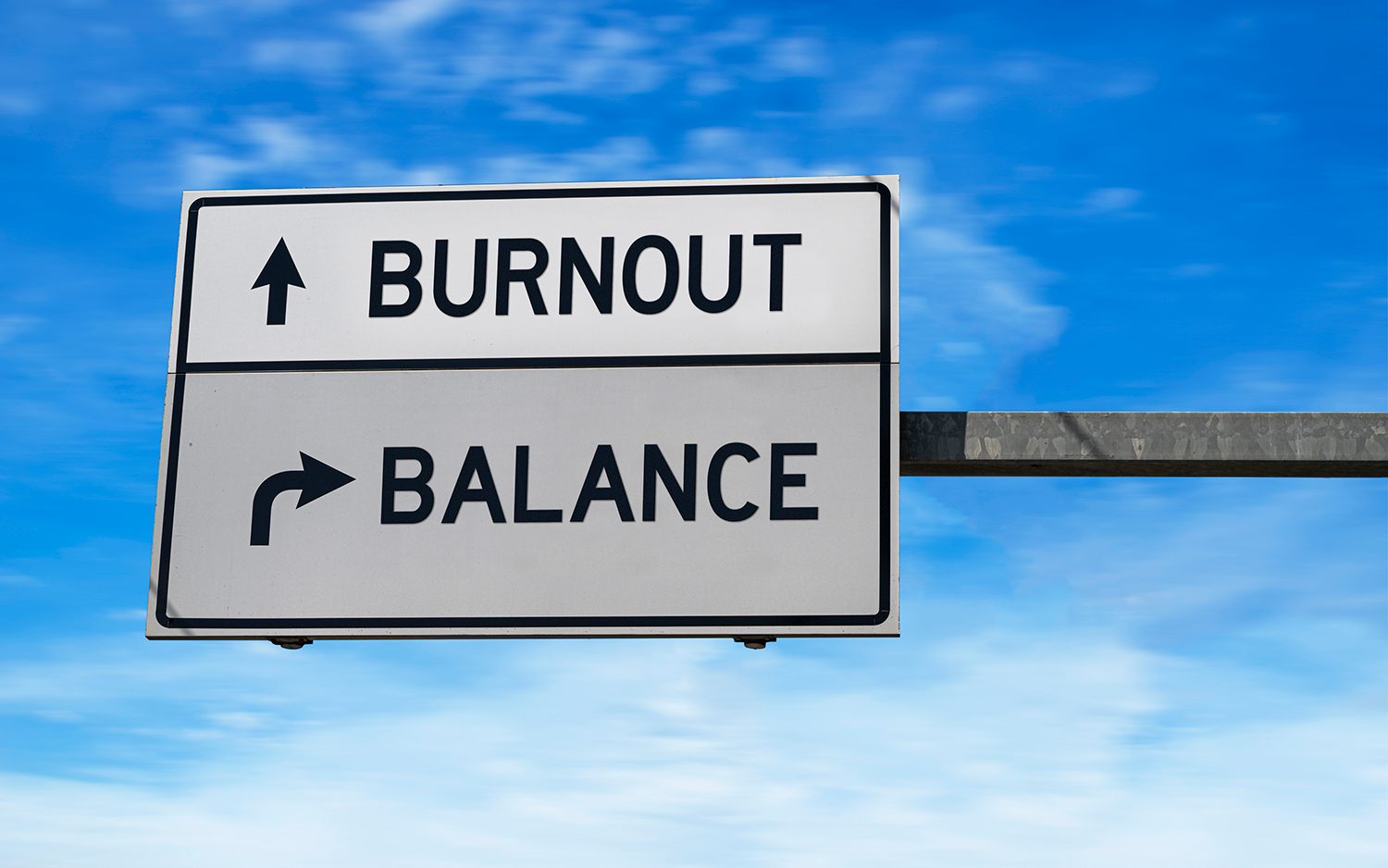
When I was only 30 years old, I went to the doctor. My back pain had become something that was not just an annoyance at the end of a long work day, but was visible every time I stood up from a sitting position and was noticeable in bed at night. While in the back of my mind, I had some minor concerns about a larger health issue, I was more laser-focused on determining the right pill that would help solve the issue quickly.
After an examination and some detailed answering of questions, my doctor said to me, “The issue here is stress. You need to address it to solve your back pain.”
That was not the advice I was expecting!
I left the office with instructions for finding a band to help with back stretches and a follow-up appointment with a physical therapist who in essence gave me the same advice.
This experience was a huge wake up call. Less than 90 days later I had addressed that core issue of stress which meant leaving my digital marketing job. It wasn’t just the 60-70 hour work weeks that caused the stress. It was working in an environment where the direct contacts I worked with didn’t like working with me — and I didn’t like working with them.
A funny thing happened…within a week or two of starting my new job, the back pain was gone. I still was working more than 40 hours a week, and the job was full of pressure. However, instead of dreading my colleagues, I was excited to get to the office and tackle problems together with them.
This story came to mind recently when I was looking at an overview from coaching.com about a Masterclass on corporate burnout and suggestions from Neha Sangwan MD on how to recognize signals of burnout and stress. Consider some of these sobering statistics on work-related stress:
%
of professionals worldwide experience burnout at some point in their careers
(World Health Organization) & Gallup
%
of burned-out employees are more likely to take a sick day and 2.6x more likely to be job hunting
in costs to U.S. businesses from absenteeism, turnover, and lost productivity caused by workplace stress
The Five Common Causes of Stress and Burnout
The author went on to recognize five common culprits behind stress and burnout and I was amazed thinking back on how ALL FIVE were evident in my experience with back pain.
- Disconnecting from your highest values and what matters most. (I was working in an environment where my talents weren’t being utilized.) Hint: Our blog post from earlier this year is a good starting point for this discovery: Before You Change Jobs, First Understand What’s Important to You
- Not setting clear expectations or drawing healthy boundaries. (I was caving in to taking on additional workload even though I had no bandwidth.)
- Wanting to please others and not prioritizing your own needs. (I thought that if somehow I could be nice and amiable to the colleagues I didn’t like, I would be able to win them over.)
- Not knowing how to decipher my own body’s signals of stress. (In my case, my back pain.)
- Holding on to outdated beliefs that reinforce that you can’t have what you really want. (In my case, I was thinking that if I just sucked it up and survived for another few months, everything would change.)
Which of These Causes of Stress Apply to You?
The hope I have for my readers of this post is that you can also look at the list of stress and burnout creators from above, and try to recognize which of these is true for your work situation.
If it is only one or two items, what can you do to acknowledge the stress creator? How can you think about ways to mitigate or eliminate that stress factor?
If you find yourself (like me in the past) answering “yes” to 4 or 5 of these stress creators, how can you take a deeper pause and really evaluate what is happening in your work world.
How to Alleviate Stress and Burnout
- Have you identified your highest values and what you do best? Can you pinpoint exactly where your current situation is going against them and what you can do to shift how things line up?
- What are your boundaries? And what strategies can you engage to push back?
- What are your needs and their order of priority? Do you always put the needs of others above your own? What shifts can you make to change that?
- What hurts or is keeping you up at night? Things like chronic pain and heartburn or waking up constantly during the night can be less obvious signs that something is not right with your work.
- What would it take for you to feel content, comfortable, less stressed, happy? Hint: While it could be setting boundaries, hiring more help, and having tough conversations, you may find that a new job is the only solution.
How CPL Can Help
This is where I help mentor colleagues on not just the causes, but the possible avenues of action to get you back on a healthy and less-stressed out path.
I recently had a conversation with someone who specifically noted December as a time of holding their breath and trying to survive until the holiday vacation arrived. While this may be true, it is certainly not a healthy sentiment. If you are feeling the anxiety of burnout, use this month to work on yourself and focus on how you can find a better path for 2026. And if you need help with finding that better path, don’t hesitate to reach out to me directly. An Individual Development Program is the perfect tune-up to get you ready for the new year.